


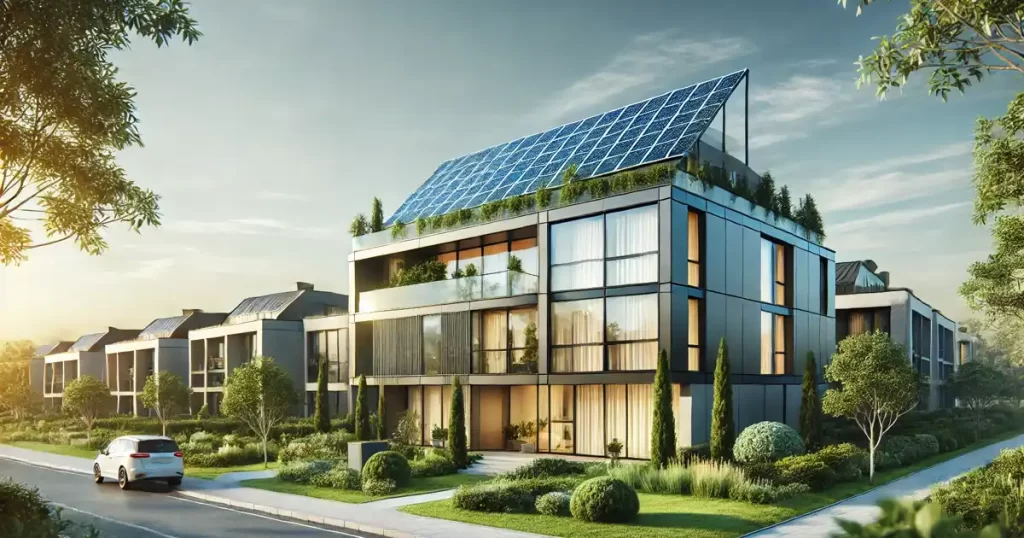
Learn what architects should consider before starting a residential project and explore a detailed predesign questionnaire to inspire your next design journey.
Designing a residential building requires architects to blend creativity, practicality, and sustainability into a cohesive design that meets client needs and local regulations. This guide offers an in-depth look at the crucial factors architects must consider and provides a detailed predesign questionnaire to streamline the planning process.
Key Considerations for Residential Building Design
1. Understanding Client Needs
Tailoring a design to meet the client’s specific requirements is the foundation of a successful residential project:
- Lifestyle Alignment: Factor in family size, privacy preferences, and specific activities like entertaining or working from home.
- Budget Constraints: Ensure material selection, structural design, and additional features align with the client’s financial capabilities.
- Future-Proofing: Plan for potential expansions or changes in use, such as adding new rooms or converting spaces.
2. Site Analysis and Feasibility
A comprehensive site analysis sets the stage for a well-informed design:
- Geographical Features: Assess topography, soil stability, and environmental challenges like flooding or wind exposure.
- Climate Considerations: Optimize natural light, ventilation, and insulation for energy efficiency.
- Regulatory Compliance: Address zoning laws, building codes, and local architectural guidelines early.
3. Prioritizing Space Allocation
Effective space planning ensures both functionality and aesthetic appeal:
- Common Areas: Include lobbies, recreational spaces, and parking solutions that enhance community living.
- Private Spaces: Design comfortable and functional living spaces like master bedrooms, home offices, and kitchens.
- Flexible Use: Incorporate multi-purpose areas that adapt to future needs.
4. Material Selection
Choosing the right materials impacts durability, aesthetics, and sustainability:
- Eco-Friendly Options: Opt for sustainable materials like reclaimed wood, bamboo, or recycled steel.
- Visual Harmony: Match materials with the chosen architectural style, such as modern, classical, or minimalist.
- Low-Maintenance Choices: Select finishes and materials that minimize upkeep costs.
5. Structural and Safety Considerations
Structural integrity is a non-negotiable aspect of residential design:
- Seismic Resilience: Following local codes to ensure safety is especially important in earthquake-prone regions.
- Load Management: Design to distribute live and dead loads efficiently.
- Future Expansion: Consider the possibility of vertical or horizontal extensions.
6. Mechanical, Electrical, and Plumbing Systems
Integrating MEP systems is essential for a functional and comfortable living space:
- HVAC Systems: Use energy-efficient heating and cooling solutions.
- Water Management: Include rainwater harvesting and advanced plumbing fixtures.
- Electrical Safety: Ensure electrical systems meet safety standards and support smart home technology.
7. Interior and Exterior Harmony
A seamless connection between interiors and exteriors enhances the overall appeal:
- Exterior Design: Use materials like glass, brick, or stone for a timeless look.
- Interior Design: Choose styles such as modern, classic, or industrial based on client preferences.
- Landscaping: Add gardens, rooftop terraces, or courtyards to connect the building with nature.
8. Embracing Sustainability
Sustainability is a growing priority in residential architecture:
- Energy Efficiency: Integrate solar panels, energy-efficient appliances, and proper insulation.
- Green Building Standards: Aim for certifications like LEED or WELL to demonstrate commitment to eco-friendly design.
- Waste Management: Design for recycling, composting, and efficient garbage disposal.
9. Leveraging Smart Technology
Smart homes are the future of residential living:
- Automation: Include systems for controlling lighting, HVAC, and security remotely.
- IoT Integration: Ensure compatibility with modern devices for seamless operation.
- Safety Features: Add advanced security systems like surveillance cameras and fire alarms.
10. Cultural and Community Considerations
Reflecting the local context adds value to residential projects:
- Cultural Relevance: Incorporate traditional elements that resonate with the community.
- Inclusivity: Design for accessibility with features like ramps, elevators, and universal door widths.
- Community Impact: Plan for how the design integrates with and benefits the surrounding area.
Comprehensive Predesign Questionnaire Sample


Refer to our Predesign Questionnaire for residential buildings to streamline the planning process and ensure no detail is overlooked. This questionnaire covers everything from project details to specific design preferences, making it a valuable resource for architects and clients alike.
Residential Building Predesign Questionnaire
This comprehensive questionnaire is designed to collect all necessary details before initiating the design process for residential buildings up to six stories. It aims to ensure the design aligns perfectly with your preferences, project requirements, and technical needs. Please complete this form thoroughly to help us create a tailored and efficient design.
By addressing these key considerations and using the predesigned questionnaire, architects can create residential buildings that are functional, visually stunning, and future-ready. Whether designing your first project or refining your expertise, this guide ensures your designs stand out while meeting the highest standards of quality and sustainability.